
A Montessori Toileting Refresh: Reframing Toilet Learning
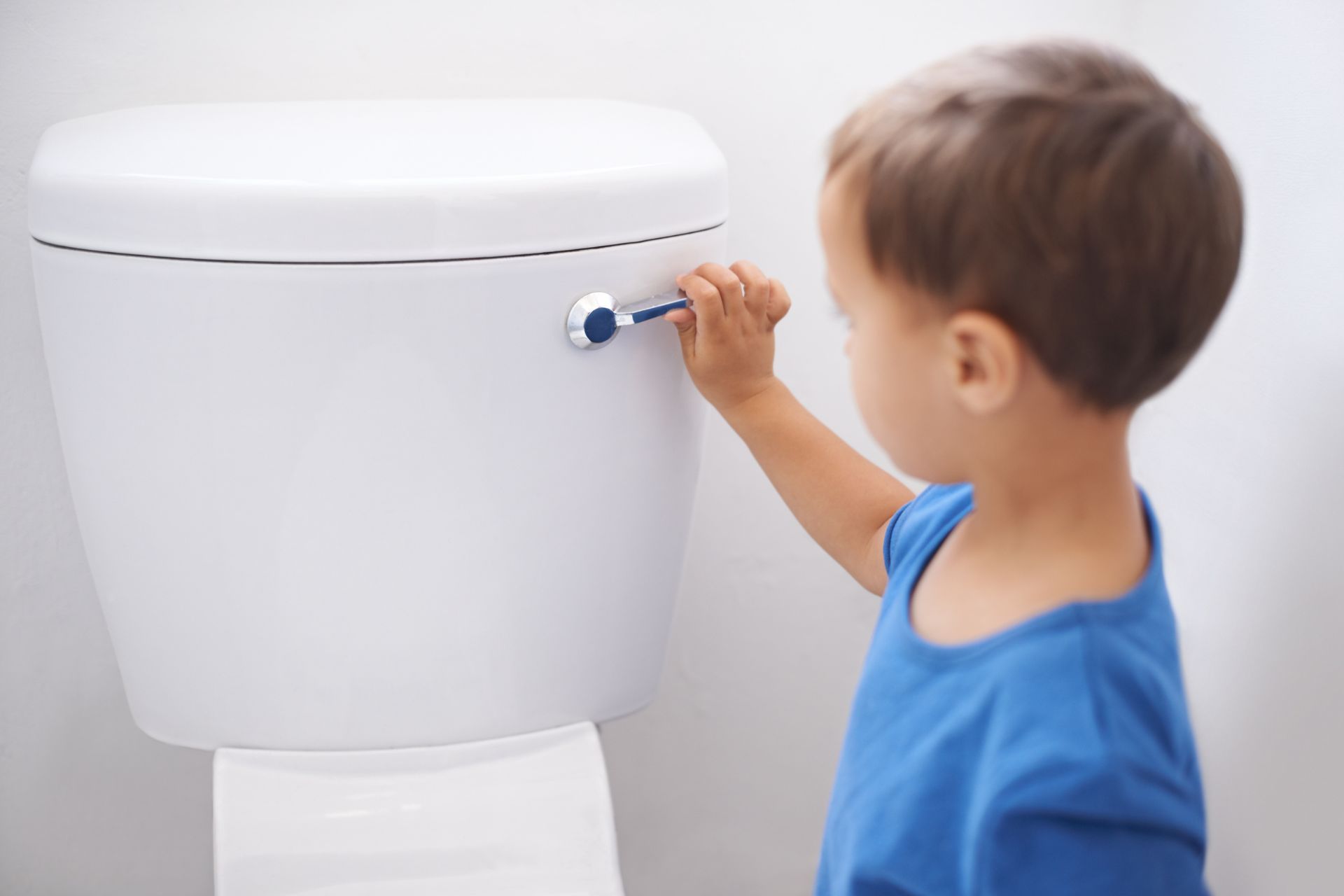
Few stages of early childhood bring as much anxiety (for adults, that is) as toileting. In our culture, the toileting process often brings pressure, rewards, timelines, and even (unintentionally) subtle shame.
In Montessori, we intentionally use the term “toilet learning” rather than toilet training. Children are not trained to use the toilet through external control. Instead, we offer an approach rooted in respect for each child’s development, trust in the body, and a calm acceptance of this process as a normal part of life.
Montessori Principles That Guide Toilet Learning
Whenever we think about toileting, it helps to return to the core principles of Montessori education:
- We follow the child.
- We offer independence at the level the child can handle.
- We observe and respond to the child’s needs.
- We understand the child’s physical and psychological development.
The adult’s role is not to control this process, but to assist it. In fact, in Montessori, our name for the adults who work with children ages zero to three reflects this responsibility: Assistants to Infancy. This title reflects how adults prepare conditions that allow children to act for themselves. We do not do it to them or for them. Instead, we prepare the environment for their success.
The Two Sides of Toilet Learning: Psychological and Physical
The Psychological Environment
Long before children ever sit on a potty, they are absorbing messages about their bodies. How adults respond to elimination from infancy sends powerful signals. When bodily functions are treated with calm acceptance (without disgust, embarrassment, or exaggerated reactions), children internalize the understanding that their body is trustworthy and normal.
Sometimes our adult discomfort manifests in subtle ways, such as avoiding accurate anatomical language or using overly silly names for body parts. While often well-intentioned, this can unintentionally communicate shame. In Montessori, we encourage adults to name body parts and bodily functions accurately and matter-of-factly. Elimination is simply part of being human.
When children grow up in an environment that treats toileting as neutral and ordinary, they are far less likely to experience power struggles or shame around the process as they get older.
Physiological Readiness
Physiologically, toilet learning depends on the maturation of children’s nervous system. When children gain voluntary control over their urinary and sphincter muscles, they can begin to experience true independence. Even if we learn a child’s schedule and place them on the toilet at “just the right time,” this does not mean the child has learned to use the toilet.
Infants initially eliminate reflexively. One example is the gastrocolic reflex, which causes elimination shortly after eating. Over time, as the nervous system matures, children begin to connect internal sensations with external outcomes.
The Importance of Feeling Wet
We want to focus on indirect preparation by setting conditions that allow development to unfold naturally.
One approach that supports physiological awareness is the use of cloth diapers. Because cloth diapers allow children to experience wetness immediately, children begin to associate internal sensations with external outcomes. When wet diapers are changed promptly and consistently, children often communicate discomfort as early as six to eight weeks.
Disposable diapers, while convenient, absorb moisture so effectively that they can disconnect children from these bodily cues. Humans are the only species that routinely allow their young to sit in waste, and this separation from sensory input can delay the development of body awareness.
Manageable, realistic solutions for families can include:
- Using cotton diapers or training pants at home.
- Placing cotton pants under a disposable diaper.
- Choosing less absorbent disposable diapers.
- Using disposables for long trips, illness, or short periods at night.
- Waterproof mattress covers and towels for sleep.
We want to support without judgment! Our role is to help families find solutions that work while keeping children connected to their bodily reality.
Routines That Support Independence
Toileting is a normal, everyday activity. In Montessori, we avoid praise and punishment, both of which interfere with internal motivation.
Once a child can sit independently, they may be invited to sit on a potty. This is an invitation, not an expectation. This is a good time to also introduce training pants, with clean clothes accessible in the bathroom so children can participate in their own care.
Consistency is essential. Toileting should always happen in the same place. A potty that moves around the house can confuse a child’s sense of order and make it unclear where toileting belongs.
Children also benefit from being actively involved. They can carry their clean clothes, place soiled clothing in the appropriate place, and participate in dressing and undressing. All of this engagement supports a deep internal message for children that they are learning do it themselves.
We also rely a lot on routine. For example, if a child becomes louder or more chaotic, we avoid saying, “You need to use the toilet.” Instead, we calmly reference time and routine: “It’s ten o’clock. Time to use the toilet.”
Finally, if a child urinates or defecates in their clothing, we do not call it an accident. It is a normal bodily function that the child is still learning to control.
Understanding Setbacks with Compassion
Setbacks are normal and expected. Changes such as the arrival of a sibling, moving or traveling, divorce or family stress, and transition to new classrooms can temporarily disrupt toileting independence. Some children may even regress as a way to regain attention or control. Once settled, most children regain independence within a short period.
As adults, our responsibility is to gradually remove ourselves from the process as the child becomes capable.
We must:
- Allow time and repetition
- Not over-celebrate or scold
- Never force a child to use the toilet
- Stick to reality: wet and dry, dirty and clean
Toilet learning is not a race. When we provide a calm environment, respect the child’s body, and avoid manipulation or shame, children move toward independence in their own time.
As with so much in Montessori, the adult’s role is not to force the outcome, but to prepare the path and offer support, trust, and patience.
Going to the toilet is one of the most natural acts of human life. When we keep this process in context, without shame, pressure, or applause, children master toileting with confidence, dignity, and independence.
To learn more about toileting the Montessori way,
schedule a time to visit our school in New York.