Freedom Within Limits: How Twin Parks Montessori Nurtures Independent, Confident Learners
One of the most common misunderstandings about Montessori education surrounds the concept of freedom in the classroom. When families first tour our Central Park, Park West, or Riverside campuses and observe our environments in action, those misconceptions quickly disappear.
While Montessori isn't a trademarked term, fidelity to the philosophy matters deeply. As an AMS-accredited school, Twin Parks ensures that our classrooms are led by credentialed Montessori guides who understand the precise balance required to help young children thrive.
Yes, Montessori philosophy relies heavily on freedom of choice—but it relies equally on appropriate limits. Striking this balance gives children a profound sense of dignity, empowerment, and self-direction. Children deserve respect, delivered in developmentally appropriate ways that support their natural growth.
Here is what "freedom within limits" looks like inside our Infant, Toddler, and Early Childhood learning environments, and how you can bring these same strategies into your home.
1. Intentionally Designed Physical Boundaries
Our guides prepare every classroom environment with deep care and intention. We want children to move freely, but we also design spaces that foster focus, grace, and safety.
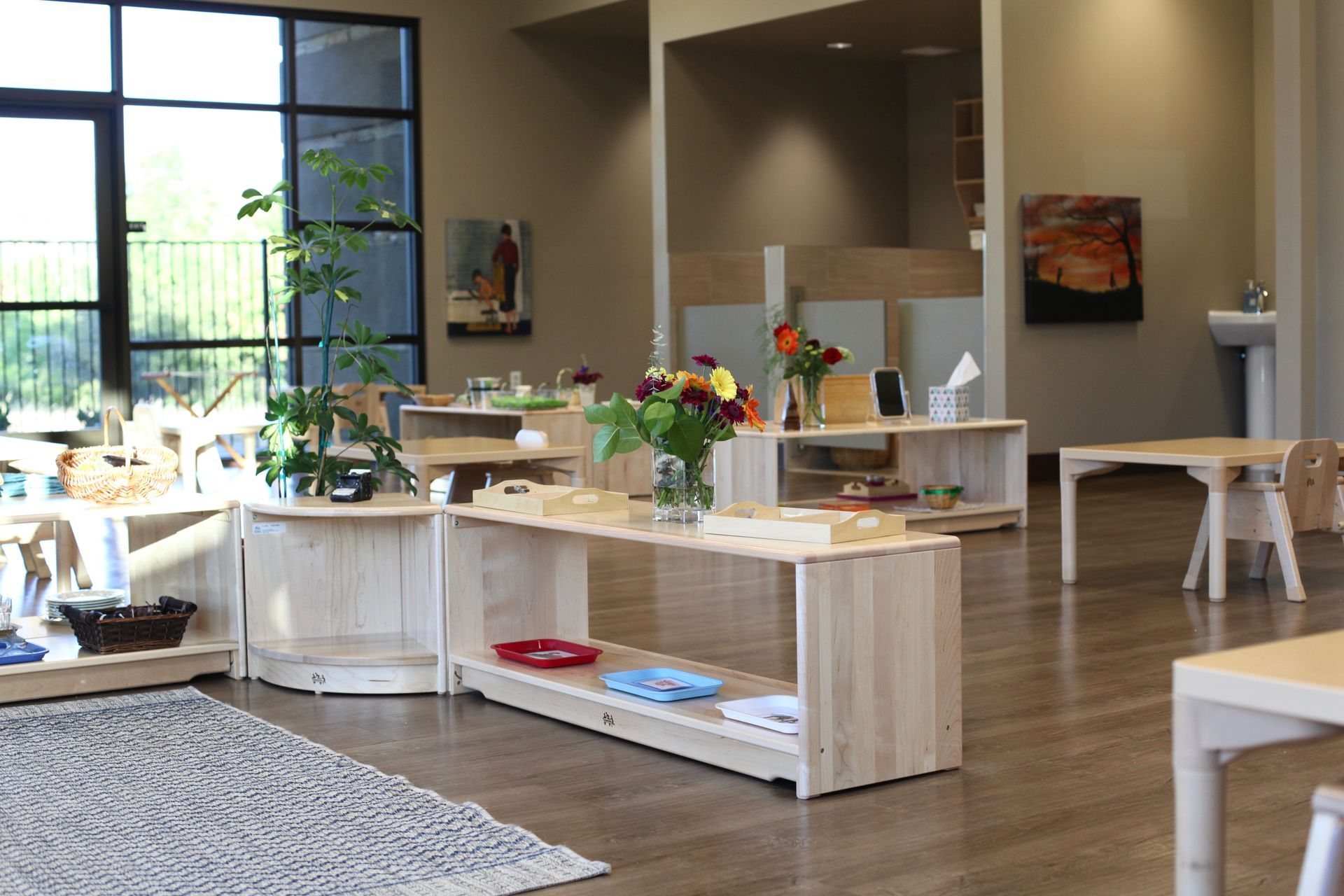
In our environments, we avoid wide-open indoor spaces that invite running. Instead, low wooden shelves housing beautiful learning materials are thoughtfully arranged to create natural pathways. We teach children peaceful, indoor-appropriate ways to move and ensure these spaces don't disrupt the work of others.
Dr. Maria Montessori deeply valued nature, and daily, extended outdoor time in nearby Central Park and Riverside Park is a core part of life at Twin Parks. Outdoors, children have the dedicated space and time they need for active, large-muscle movement—whether that is toddlers navigating park paths or Early Childhood students exploring grassy fields and natural park elements under the attentive supervision of our team.
2. Freedom to Choose Work and Follow Curiosity
Children—like adults—resist being micromanaged. Even a small degree of autonomy helps a child feel that their decisions are valued and trusted.
During the first plane of development (ages 0 to 6), children receive individual and small-group presentations on how to care for their environment and use specific learning materials. During our uninterrupted work cycles, children are free to choose which presented activities they would like to practice and for how long.
This structure allows an Early Childhood student to dive deep into a math activity, refine their fine motor skills through practical life work, or explore fine art and music at their own pace. As children approach their final year in Early Childhood, our guides introduce subtle new structures to support their evolving developmental needs and prepare them for a smooth transition to ongoing schools.
3. Honoring Personal Health and Body Cues
We believe children shouldn't have to ask for permission to meet their own basic physical needs. Listening to body cues is an essential part of developing independence and self-awareness.
- In our Infant & Toddler Classrooms: Children receive warm, step-by-step guidance as they learn to recognize their body's signals—whether it's learning to use the toilet or recognizing when they are thirsty.
- In our Early Childhood Classrooms: Children access the bathroom independently as needed. They know where their water cups are kept, how to pour a drink, and how to gently wipe up a spill. When a seat opens at the snack table, children serve themselves, enjoy their snack, and clean up their space when finished.
4. Offering "Win-Win" Choices
To encourage cooperation while maintaining appropriate boundaries, give limited, positive options. We use this approach in the classroom every day, and it is equally effective at home:
- “Would you like to put on your shoes or your coat first before we head to the park?”
- “It’s almost time for bed. Would you like to brush your teeth first or put on your pajamas?”
- “Would you like sliced apples or berries with your snack?”
Parent Tip: Keep options limited to two or three choices. Fewer options make decision-making manageable, especially for toddlers or when a child is feeling tired.
5. Respectful Guidance and Partnership
As children grow, we maintain open, respectful communication about expectations. When a child consistently avoids a particular area of the classroom—or a task at home—it is rarely out of defiance. More often, the task is either too challenging or not challenging enough.
Through continuous observation, our guides identify where a child might need extra support, a refresher presentation, or a new challenge. By pairing long blocks of independent work with personalized guidance, we support each child on their journey toward true independence, confidence, and a lifelong love of learning.