
"Follow the Child": What It Really Means in Daily Life
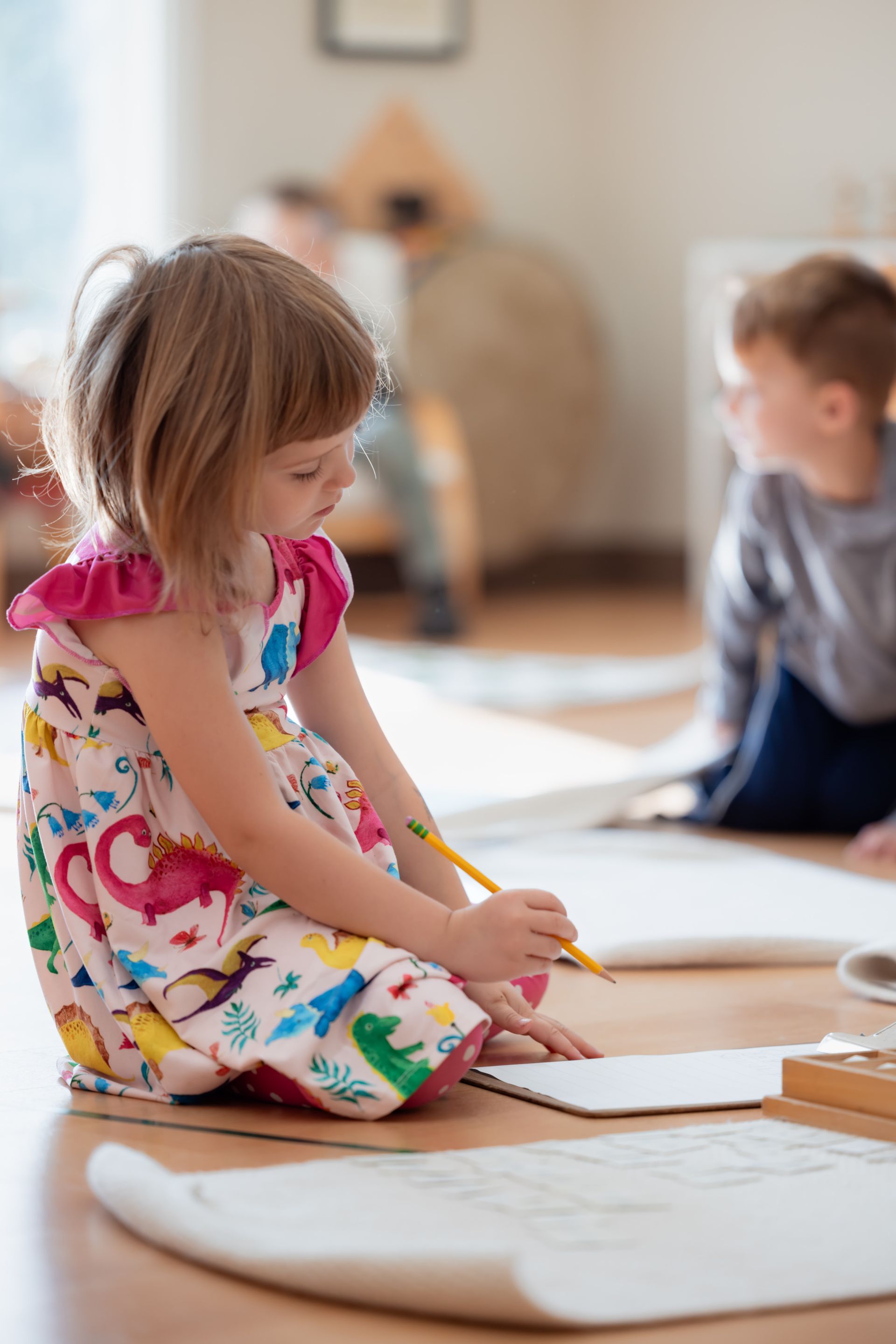
"Follow the child."
It is a beautiful, profound, and frequently used Montessori mantra. At Twin Parks Montessori School, our entire educational approach across our Central Park, Park West, and Riverside campuses is built upon these three words. Backed by developmental science, proven by generations of children, and revered by families around the world, the concept seems wonderfully simple.
Yet, in the midst of everyday life—navigating city schedules, morning routines, and competing priorities—putting this mantra into practice can feel like a real challenge.
What does it actually look like to "follow the child" in an authentic, manageable way? Here are five practical ways to integrate this core Montessori philosophy into your home and family life.
1. Stop, Look, and Listen
Observation is where everything begins. In our Infant, Toddler, and Early Childhood classrooms, our teachers continuously observe children to understand their unique developmental needs. Doing this at home sounds obvious, but in practice, it takes intentional effort. Balancing parenting with modern life often means we are rushing, multi-tasking, and managing stress.
Finding time to slow down, step back, and simply watch your child without interfering is one of the greatest gifts you can give them—and yourself.
- Observe from a quiet distance: Try to watch until they forget you are there. Notice what activities naturally draw their attention, how they solve small problems, and how they interact with their environment.
- Listen deeply: Really pay attention to what they are saying (or communicating through behavior) without immediately jumping in to correct, direct, or rush them.
You do not need to draw immediate or concrete conclusions from every observation. Simply paying attention to who your child is at this exact moment in time will offer profound insights that naturally inform your parenting.
2. Build Extra Time Into Your Routines
Parenting requires time—and children naturally move at a different pace than adults. It takes a toddler longer to put on their shoes, young children need time to process big emotions, and minor stumbles require extra care.
One of the most practical ways to follow your child is to build a time cushion into your daily routines whenever possible.
- Expect the unexpected: Adding an extra 10 to 15 minutes to morning routines or preparations to head out to Central Park or Riverside Park transforms a potential power struggle into a peaceful moment.
- Allow for processing: Extra time allows you to be calm, grounded, and present when your child faces a challenge or wants to master a self-help skill independently.
While children certainly need to learn flexibility and honor schedules, giving them the grace of time allows them to practice independence without feeling constantly rushed.
3. Enthusiastically Embrace Their Individuality
As parents, we dedicate immense energy to our children's growth, education, health, and well-being. We naturally form hopes and expectations for their futures. Yet, true Montessori parenting asks us to honor who the child actually is, rather than who we imagined they might be.
At some point, every child expresses a desire, interest, or personality trait that differs from our original expectations.
- Celebrate their natural inclinations: If you envisioned a sports enthusiast, but your child is drawn to fine art, storytelling, or music, enthusiastically lean into their passion.
- Honor their temperament: If your family is largely extroverted, but your child is quiet and observant, adapt to support their need for calm and recharge time.
When children know that their unique interests, strengths, and traits are authentically valued, they develop deep self-confidence and trust that their parents are unconditionally on their team.
4. Examine Your Own Biases and "Whys"
Our parenting choices are naturally shaped by our own upbringings, societal expectations, and personal experiences. While boundaries, rules, and structure are essential for a child's safety and sense of order, it is valuable to periodically pause and reflect on the motivations behind our expectations.
When setting a rule or responding to a behavior, ask yourself:
- What core value am I trying to teach here?
- Am I responding this way because it is what I experienced as a child, or because it truly serves my child right now?
- Is this expectation driven by societal pressure, or by what is right for our family?
- Does my reaction support my child’s growth and independence?
Taking a moment for internal self-reflection ensures that the boundaries we set are intentional, respectful, and aligned with our family's true values.
5. View Learning as a Shared, Lifelong Journey
In a Montessori environment, teachers act as guides rather than all-knowing lecturers. The same model applies beautifully at home. We do not need to have all the answers to be wonderful parents. In fact, showing our children that we are continuously learning, growing, and adapting is a powerful lesson in itself.
- Model curiosity: When your child asks a question you cannot answer, say, "I don't know, but let's find out together!"
- Normalize mistakes: Show them that making mistakes is a natural and welcome part of learning for both children and adults.
Embracing a growth mindset shows children that curiosity, self-improvement, and continuous learning are lifelong pursuits—helping them grow into confident, creative, and caring self-learners.
Partnering with Families
Following the child is not about letting children do whatever they want without guidance; it is about preparing an environment that respects their developmental needs, honours their individuality, and supports their natural drive toward independence.
At
Twin Parks Montessori School, we are proud to partner with NYC families to nurture this foundation every day—in our classrooms, during active outdoor exploration in our local parks, and in the supportive community we build together. Come see it in action:
schedule a tour today.