
Preparing the At-Home Montessori Environment: A Room for Every Stage
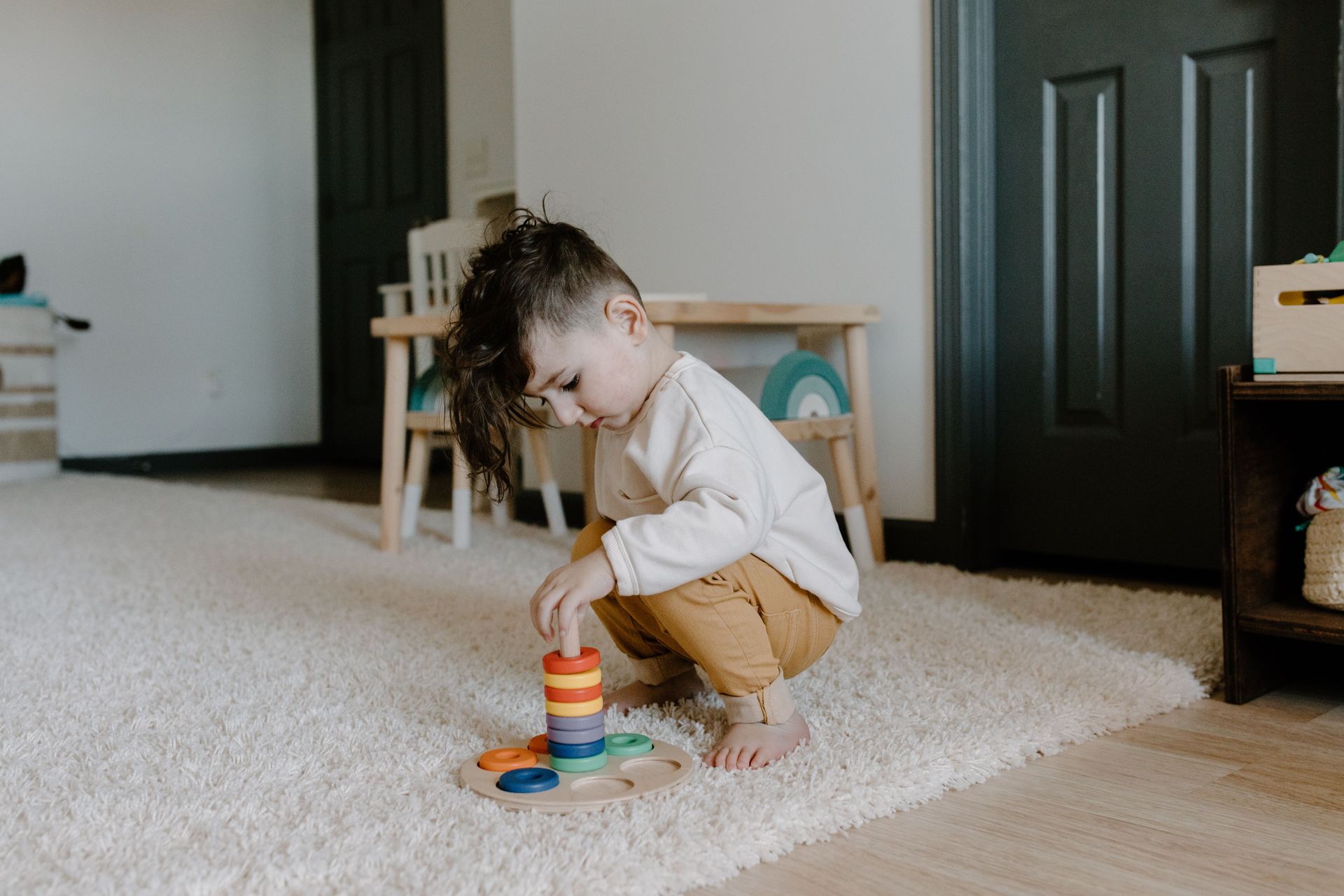
When children come into our lives, we want to ensure we offer them the very best foundation possible. Yet our children develop so quickly, and their needs change dramatically over a short period!
At Twin Parks Montessori School, we design our Infant and Toddler classrooms across our Central Park, Park West, and Riverside campuses to honor these exact developmental transformations. The good news is that you can apply these same principles in your own home. By having a clear, simple plan, you can prepare a bedroom space for your young child that not only supports optimal development and independence but also helps you feel confident and prepared for each stage.
The Core Elements of a Montessori Bedroom
A child’s room should have boundaries that help them feel secure, comfortable, and empowered. The best way to achieve this is to curate a space that contains only what is needed, with designated areas for specific activities.
A well-prepared room typically includes distinct areas for:
- Physical Care (diapering, dressing, grooming)
- Sleeping (rest and self-regulation)
- Feeding (nursing, weaning, and early self-feeding)
- Movement (gross motor exploration and shelf work)
Although these spaces will evolve as your child grows, starting with a consistent layout makes future adaptations seamless. Above all, a Montessori environment needs to be practical, beautiful, ordered, and safe—while also supporting the parent or caregiver’s comfort and ease.
Stage 1: Birth to Five Months (The Newborn Environment)
Because young infants are adapting to a brand-new world, they rely on consistent points of reference to feel secure. This sense of security—built through predictable furniture placement, familiar caregivers, and gentle daily routines—gives newborns the confidence to begin exploring their surroundings.
Physical Care Area
During these first few months, this area houses everything needed for diapering and dressing. At this stage, you are your baby's entire world. Set up the changing table so you are positioned at your baby’s feet rather than side-on. This allows direct eye contact, making it easy to talk, describe what you are doing, name body parts, and build early language skills.
Sleeping Area
Ideally, the sleeping area features a low floor bed. This offers an unobstructed view of the room and complete freedom of movement. Starting with a larger mattress (such as a twin-size mattress on the floor) creates a consistent sleeping space that lasts as your child grows. As infants develop control over their bodies, they will begin to slither and eventually crawl into and out of bed independently.
Feeding Area
In the early months, this space is designed for bonding during breastfeeding or bottle-feeding. Keep it peaceful and comfortable, featuring a supportive chair for the adult and a small side table or shelf so essential items are always within arm's reach.
Movement Area
The movement area includes four key elements:
- A floor mat: Soft and supportive for uninterrupted movement.
- A low, wall-mounted mirror: Placed horizontally along the floor, allowing the baby to observe their own movements and build self-awareness.
- A ceiling hook: Used for hanging and rotating visual and tactile Montessori mobiles.
- A low, open shelf: Displays a few simple, age-appropriate manipulative materials. Over time, babies will begin slithering toward the shelf to choose their own developmental aids.
Stage 2: Five to Twelve Months (From Weaning to Walking)
As your baby grows, the bedroom doesn't need a dramatic overhaul—just a few strategic modifications to match their expanding mobility and emerging independence.
Feeding Area & The Weaning Table
While the adult chair remains for cozy snuggling and milk feedings, this stage marks the beginning of the weaning process. Eating independently is an important step in a child's developing personal identity.
To support this transition, introduce a weaning table and chair:
- The Table: A small, heavy, stable wooden table with rounded edges.
- The Seating: A small wooden cube chair or low chair that offers firm back and foot support for a child learning to sit upright independently.
- Caregiver Stool: Place a low stool nearby so you can sit at eye level to offer first foods, keeping the experience calm, social, and dignified.
Movement Area
To support pulling up and cruising, add a low wooden pull-up bar directly over the wall mirror, and gradually transition away from the floor mat as mobility increases.
Adding a firm ottoman gives your child a safe surface to crawl around, pull up on, and cruise along (you can often use the same footstool from your nursing area). As your child begins to walk, lightweight, child-sized furniture allows them to practice pushing and moving items around their space independently.
Stage 3: Twelve to Thirty-Six Months (The Walking Child)
Walking is a monumental milestone. Once children no longer need their hands for balance, their hands become available to actively work on and transform their environment.
Sleeping Area
The floor bed setup continues to serve the walking child well. You may choose to raise the mattress onto a low wooden frame, as your child can now easily climb in and out using their whole body.
Feeding Area
By this stage, family mealtime transitions fully to the dining room or kitchen. The weaning table in the bedroom can now be repurposed as a child-sized work table for art, puzzles, or practical life activities.
Physical Care Area
As toddlers gain muscle control and interest in self-care, diaper changing transitions to standing changes or independent toileting in the bathroom. The changing table can be removed and replaced with a low wardrobe or open clothing rack paired with a mirror. This setup empowers your toddler to choose between two clothing options and practice dressing themselves.
Movement Area
Once your child walks securely, the pull-up bar, floor mat, and floor mirror can be removed to open up floor space. Ensure all remaining shelves and furniture are strictly child-sized and proportionate to their physical strength—offering just enough weight to be a satisfying challenge while ensuring safety and successful mastery.
Observation is Key
Every child follows their own unique developmental path. Room adjustments should never be made based strictly on the calendar, but rather through careful observation of your child’s natural cues, interests, and physical milestones.
A child’s understanding of the world begins at home, expands to their school community, and eventually extends to the broader world. The environments we prepare shape who they become.
See Prepared Environments in Action
Interested in seeing how prepared environments foster independence and joy? We invite you to tour our classrooms at
Central Park Montessori,
Park West Montessori, or
Riverside Montessori to see these principles in practice. Contact our Admissions Team to
schedule a visit.