
Fostering Independence: 8 Ways to Support Your Child at Home
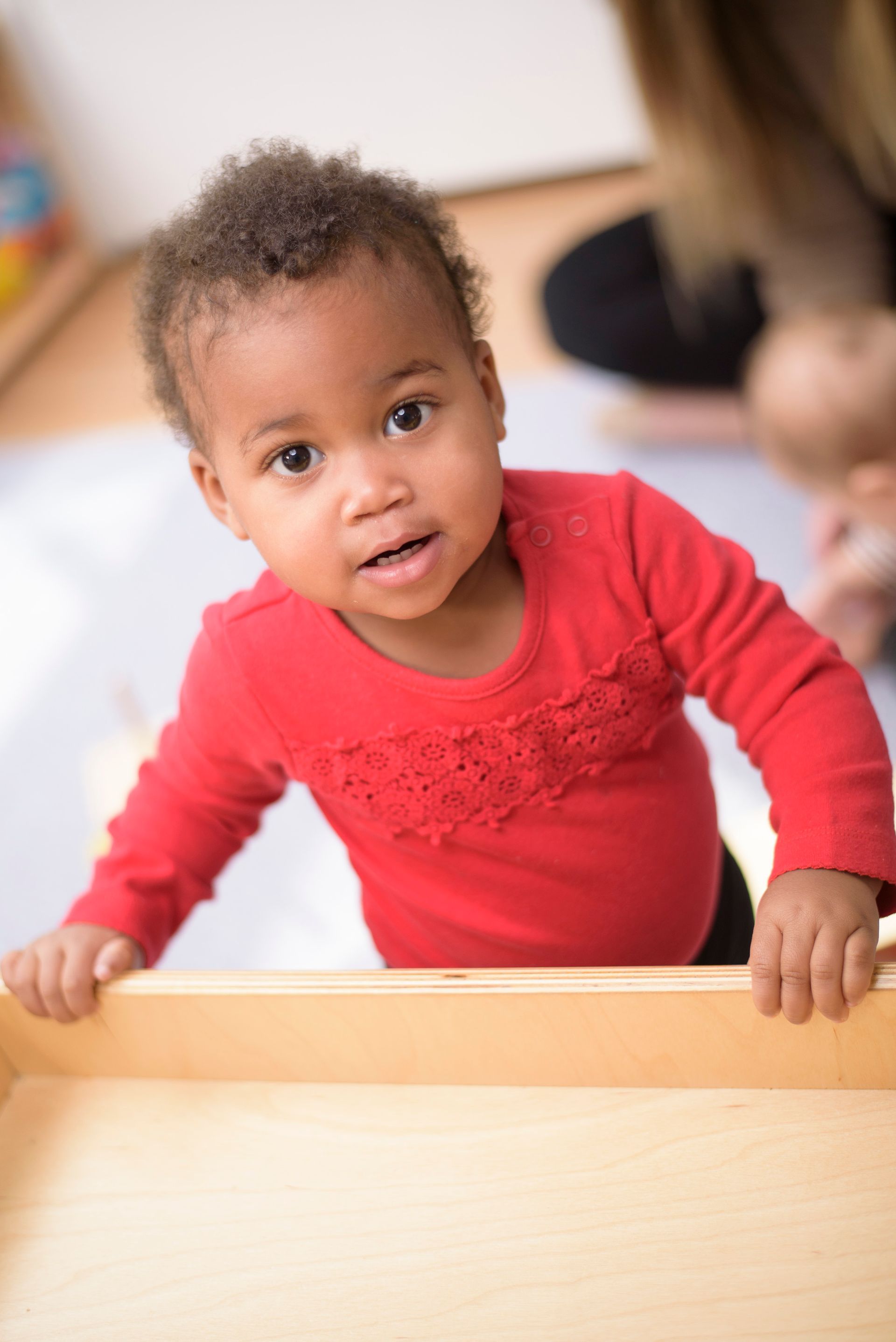
Encouraging independence is a hallmark of Montessori education and parenting. The best way to guide our children toward self-reliance is by creating supportive, predictable structures at home so they can gradually depend on us less and less.
Across our Infant, Toddler, and Early Childhood classrooms at Twin Parks Montessori School, our teachers systematically build these opportunities for self-direction into every day. You can bring these same principles into your household with a few practical strategies.
Here are eight ways to foster confidence and independence in your child’s daily routine:
1. Allow Your Child to Dress Themselves
As soon as they show readiness, young children should physically dress themselves, even if it requires extra time in the morning.
- For Toddlers: Offer simple choices to prevent overwhelm. You might ask, "Would you like to wear your blue shirt or your red shirt today?"
- For Early Childhood: Set out choices for the week, or establish clear boundaries before stepping back. You might let them know that warm pants are required for active play at Central Park or Riverside Park, but respect their desire to pair striped socks with a patterned shirt.
Allowing children to manage their own clothing builds fine motor control, spatial awareness, and a strong sense of personal agency.
2. Follow Their Interests with Practical Skills
Notice what naturally captures your child’s curiosity. If your child loves watching you assemble furniture, repair a household item, or tend to garden boxes, look for safe ways to involve them.
- Hands-on Projects: Introduce child-appropriate tools for simple woodworking, sewing, knitting, or outdoor activities like hiking and navigating trail maps.
- Broaden Their Horizons: Children often begin with interests they observe at home, but as they grow, they will branch out into music, sports, art, or technology.
When adults shed preconceived notions about what young children can handle, children consistently surprise us with their capability and focus.
3. Entrust Them with the Care of Living Things
Caring for plants and animals teaches children empathy, consistency, and cause-and-effect.
- Plant Care: Keep a low-maintenance indoor plant on a low, sunny shelf. Teach your child how to feel the soil for dryness or use a small watering can. A helpful Montessori tip: place a simple visual indicator, like a clothespin on the pot, when it is time to water.
- Pet Care: If you have a family pet, establish age-appropriate tasks. Toddlers can help carry lightweight food scoops, while older children can assist with brushing, filling water bowls, or washing pet supplies.
4. Include Them in Household Practical Life Exercises
In Montessori, household chores are known as Practical Life exercises—and children naturally love them because they carry real purpose. Participating in family care gives children a genuine sense of belonging within their home community.
- Start Early: Teach a two-year-old to fold small hand towels or carry their own plate to the counter.
- Build the Habit: Starting young prevents chores from feeling like a tedious burden later in life. Instead, caring for their space becomes a rewarding way to contribute like a capable member of the family.
5. Create Opportunities in the Kitchen
Preparing food is a powerful, multi-sensory way for children to build independence. If your child attends a Montessori program, you may already notice their comfort with spreading, slicing with child-safe knives, pouring, and mixing.
Involving your child in kitchen routines offers wide-ranging benefits:
- Math in Action: Measuring, counting ingredients, and dividing portions reinforce early mathematical concepts naturally.
- Expanding Palates: Children are significantly more likely to try new foods if they had a hand in preparing them.
- Confidence & Connection: Successfully following a recipe imparts immense pride, while cooking together creates warm, lasting family memories.
6. Respect and Encourage Bodily Autonomy
A foundational phrase to share with your child early and often is: "You are in charge of your body."
Teaching bodily autonomy means we do not force children to give hugs or kisses to relatives if they feel uncomfortable, nor do we force unwanted physical contact during play. This principle works both ways—we also teach children to respect the physical boundaries of others.
- Example: If physical play becomes too rough, you can model boundaries by saying: "I am stepping back now. It is my body, and I get to choose when we stop wrestling."
Learning body agency early gives children the vocabulary and confidence to set healthy boundaries throughout their lives.
7. Offer Freedom Within Limits
Montessori does not mean children make all the rules; rather, adults provide freedom within prepared limits. Giving a child two acceptable options allows them to practice decision-making within safe boundaries.
Try framing everyday tasks with desirable choices:
- "It’s time to get ready. Would you like to brush your teeth first, or put on your socks first?"
- "Would you like apple slices or cucumber slices with your lunch?"
- "It’s time to head home from the park. Would you like to walk like a penguin or hop like a frog to the stroller?"
Framing choices within clear parameters reduces power struggles while giving your child meaningful control over their day.
8. Prepare an Environment Built for Their Scale
Independence is much easier for a child when their environment is physically prepared for them.
- Accessibility: Place coat hooks, shoe racks, and water cups at your child’s eye level.
- Child-Sized Tools: Provide small pitchers for pouring, lightweight brooms for sweeping, and low open shelves for toys and activities.
When a home is adapted to a child’s physical size, they no longer need to rely on an adult for every basic step of their day.
Partnering for Independence
Fostering independence is a journey that requires patience, preparation, and a willingness to let children try (and fail) in a safe space. The extra time spent teaching a skill today builds a confident, self-reliant child tomorrow.
If you would like to see how independence is built into our Infant, Toddler, and Early Childhood environments, we invite you to
schedule a visit to our Central Park Montessori, Park West Montessori, or Riverside Montessori campuses.